
When The Low End Theory dropped in 1991, it marked a critical turning point not only for A Tribe Called Quest but for hip-hop at large. As the group’s second studio album, it arrived with a cool confidence that suggested growth, clarity, and intent. Their debut, People’s Instinctive Travels and the Paths of Rhythm, had already established them as pioneers of Afrocentric lyricism blended with playful experimentation. But with The Low End Theory, Tribe narrowed the focus, creating something more grounded, more stripped back, and far more rhythmically compelling.
Rather than repeating the vibrant, eclectic feel of their first album, Q-Tip, Phife Dawg, Ali Shaheed Muhammad, and Jarobi White (though Jarobi had stepped back from the group by this point) turned their attention to a new sonic identity. Here, they leaned into minimalism and the power of space. They drew heavily from jazz—specifically the deep grooves and upright bass lines of 1950s and 60s hard bop. It was a conscious decision to move away from the dense, layered samples dominating East Coast rap at the time.
Sonic Exploration

The production on The Low End Theory is deliberate in its restraint. Where many of their peers embraced dense walls of samples and booming beats, A Tribe Called Quest stripped their sound to its bare essentials. The result is a mix that feels intimate and spacious. Each element has room to breathe, from the thump of the kick drum to the warm hum of the upright bass. This choice wasn’t a limitation—it was a statement. Tribe wanted to prove that hip-hop didn’t need to be loud to be powerful.
Q-Tip and Ali Shaheed Muhammad, who handled much of the production, crafted a soundscape that feels both vintage and timeless. The samples draw heavily from jazz greats like Art Blakey and Ron Carter, the latter of whom even makes a guest appearance on bass. These jazz textures aren’t used as mere backdrops. They are central to the album’s identity. The bass lines in particular drive the rhythm, creating a low-end pulse that gives the album its name and its character.
Musical Arrangements
The vocal arrangements reflect this stripped-down ethos too. Q-Tip’s cool, conversational flow contrasts sharply with Phife Dawg’s more animated delivery, creating a natural push and pull. The duo trades verses with an ease that never feels rehearsed. Their chemistry is one of the album’s quiet strengths. Tracks like “Buggin’ Out” and “Check the Rhime” highlight this dynamic, with shifts in tone and cadence that feel more like jazz improvisation than traditional rap verses.
Genre-wise, The Low End Theory sits firmly within the boom bap era of East Coast hip-hop, but it doesn’t stay confined there. The infusion of jazz gives it a richer, more cerebral tone, placing it in the emerging “jazz rap” movement alongside groups like Gang Starr and Digable Planets. Yet, even among those peers, Tribe stood out. They didn’t just blend genres—they integrated them. The result is a sound that is smoother than most of its era but no less impactful.
Lyrical Analysis

At its core, The Low End Theory is a lyrical masterclass in subtlety and sharp observation. A Tribe Called Quest doesn’t hit you with heavy-handed messages or overwrought metaphors. Instead, they deliver their themes with a relaxed confidence, often wrapping serious commentary in playful language and smooth delivery. The result is an album that feels effortlessly intelligent, one that rewards repeat listens with new layers of meaning.
Thematically, the album explores identity, authenticity, and artistic integrity. Q-Tip and Phife Dawg tackle the state of hip-hop, calling out its commercial excesses while celebrating its roots. On “Check the Rhime,” they push back against the idea of selling out, grounding their rhymes in community pride and personal history. There’s a constant tension between staying true to the culture and pushing it forward—a theme that remains just as relevant today.
Another recurring motif is the exploration of self-worth, especially in a world that often reduces artists to commodities. Tracks like “Rap Promoter” and “Show Business” lift the curtain on the industry’s darker side, offering blunt critiques of exploitation and shallow hype. These insights aren’t delivered with bitterness, but with a clear-eyed honesty that makes the commentary all the more powerful.
Lyrical Depth
Phife Dawg’s presence brings a different energy to the lyrics. His verses are filled with charisma, humor, and grounded storytelling. On “Buggin’ Out,” he steps fully into the spotlight, using wordplay and wit to carve out his own space. His rhymes are less abstract than Q-Tip’s, but they’re just as impactful—offering sharp reflections on race, respect, and personal struggle with a disarming sense of ease.
Lyrically, the album avoids heavy ornamentation. Instead, it leans into a conversational tone that feels approachable yet deeply crafted. Q-Tip’s phrasing, in particular, often carries a poetic rhythm, using repetition and internal rhyme to give his verses a musicality that mirrors the jazz backdrops. There’s an emotional resonance in this simplicity. Whether they’re talking about social issues or trading lighthearted bars, the lyrics never feel forced. They flow like dialogue between friends who just happen to be some of the most thoughtful MCs of their generation.
Cohesion and Flow

One of the most impressive achievements of The Low End Theory is how seamlessly it holds together as a complete body of work. From the moment “Excursions” kicks in with its stripped-down bassline and spoken word intro, the album sets a mood that rarely breaks. There’s an underlying calmness, a steady rhythmic pulse that carries through the full tracklist. Even as the lyrical content shifts from introspective to playful to critical, the sonic and emotional tone remains remarkably consistent.
Track progression on the album feels intuitive rather than structured. There’s no clear-cut narrative arc, but each song seems to grow naturally out of the one before it. “Excursions” opens the album with a declaration of purpose, immediately grounding the listener in the group’s musical and cultural philosophy. From there, the album moves through high points like “Buggin’ Out,” “Jazz (We’ve Got),” and “Scenario” with an almost conversational flow. It never feels like it’s building toward a climax or resolution—it simply moves, like a jam session where each idea is passed around and expanded upon.
That said, there are moments of deliberate contrast that add subtle depth. The industry critiques on “Rap Promoter” and “Show Business” are followed by the warm nostalgia of “Vibes and Stuff,” allowing for emotional variation without disrupting the overall atmosphere. These shifts feel earned, not abrupt. Even the rowdy energy of “Scenario,” the album’s final track, doesn’t feel out of place. It’s more like the closing act of a low-key gathering that slowly turns into a party, sending the listener off on a high.
Thematic Consistency
Thematic consistency is another of the album’s strengths. Whether they’re discussing the pitfalls of fame, the nuances of street life, or the mechanics of good rhyming, Tribe sticks to their core values. There’s a clear artistic vision throughout—one that values groove, intelligence, and honesty above flash. The production style reinforces this unity, with the same jazzy textures and minimal beats tying the tracks together. Even guest appearances, like Leaders of the New School on “Scenario,” match the group’s vibe without overshadowing it.
If there’s a critique to be made, it’s that the album’s understated nature might blur some of the tracks together on a first listen. The lack of dramatic shifts or standout hooks could make it feel a bit too uniform for those used to more dynamic pacing. But with time, this consistency reveals itself as intentional. The Low End Theory wasn’t made to be consumed in pieces—it was built to be experienced as a whole.
Standout Tracks and Moments
While The Low End Theory thrives on its cohesion, several tracks rise to the surface as defining moments—each offering a different lens through which to understand the album’s depth and artistry.
Excursions
“Excursions” is the perfect opener, not just because of its sound but because of its statement of intent. Q-Tip sets the tone with lines that trace the lineage of hip-hop back to jazz, grounding the album in cultural history without feeling academic. The beat is sparse but rich, letting the upright bass and dusty drums breathe in a way that feels both old-school and forward-thinking.
Buggin’ Out
“Buggin’ Out” stands out as Phife Dawg’s true arrival. His opening line—“Yo, microphone check one two, what is this?”—cracks open the track with pure charisma. It’s a moment of transformation where Phife shifts from supporting role to lyrical equal, full of humor, swagger, and punchy flows that have since become iconic.
Check the Rhime
“Check the Rhime” is perhaps the album’s most well-rounded track. It combines everything Tribe does best: the tight call-and-response between Q-Tip and Phife, a horn sample that loops with hypnotic smoothness, and a lyrical focus on authenticity in the face of commercial pressure. It’s not just catchy—it’s a manifesto.
Jazz (We’ve Got)
Then there’s “Jazz (We’ve Got),” which takes Tribe’s sonic aesthetic and distills it into its purest form. The beat is soft but commanding, with a silky sax sample that loops like a mantra. It’s a masterclass in restraint and groove, and the accompanying skit “Skypager” adds a touch of humor that breaks the flow without breaking the mood.
Scenario
Of course, “Scenario” is the track that often gets the most attention—and for good reason. It’s a burst of energy that closes the album with a bang. The group’s chemistry is on full display, and Busta Rhymes’ guest verse has become one of the most quoted in hip-hop history. His entrance is electric, a perfect contrast to the more laid-back vibe of the rest of the album.
Memorable Moments
Beyond the obvious standouts, there are smaller moments that speak volumes. The laid-back funk of “Butter,” where Phife offers a personal tale of dating and self-awareness. The tension in “Show Business,” as the group pulls back the curtain on industry exploitation with a rare, almost bitter tone. Even the quiet interlude of “Verses from the Abstract,” where Q-Tip floats across the beat with stream-of-consciousness musings, stands as a moment of pure vibe over structure.
Artistic Contribution and Innovation
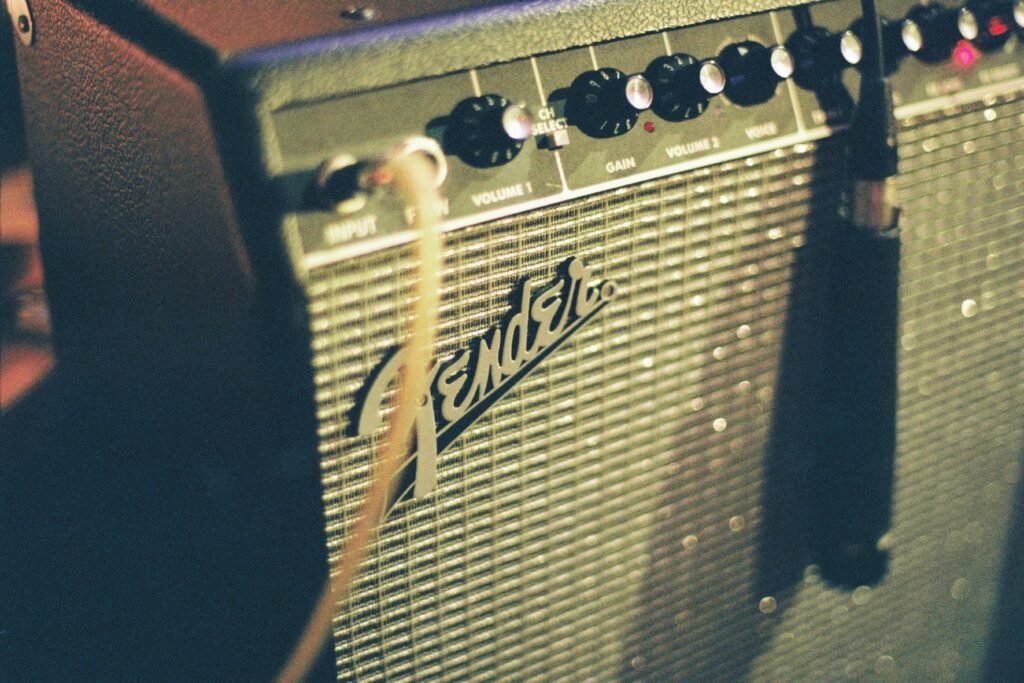
The Low End Theory is not just a classic within hip-hop—it is a blueprint. Upon its release in 1991, it carved out a new lane in a genre that was rapidly expanding, offering an alternative to the aggressive posturing and dense sampling that defined much of early 90s rap. While other acts pushed boundaries with noise and spectacle, A Tribe Called Quest turned the volume down and brought the focus inward, both musically and thematically.
In terms of genre, the album stands at the heart of the jazz rap movement, but its influence stretches far beyond that label. It fused the improvisational spirit and complex rhythms of jazz with the directness and street-level perspective of hip-hop. This wasn’t a novelty or a gimmick—it was a philosophical alignment. Tribe used the language of jazz to elevate the conversation in hip-hop, showing that groove and substance could coexist without compromise.
Innovation
From a production standpoint, The Low End Theory was ahead of its time. The minimalism, the use of live-sounding bass lines, and the clarity of the mix set it apart from almost everything else in rotation. In an era where many producers were layering as many samples as possible into each track, Q-Tip and Ali Shaheed Muhammad opted for space and subtlety. This choice not only highlighted the lyrical content but created a meditative, immersive sound that influenced future producers from J Dilla to Madlib to Kanye West.
Thematically, the album also broke new ground. Rather than focusing solely on bravado or party anthems, it explored integrity, cultural heritage, industry exploitation, and personal identity with nuance and wit. It avoided being preachy while still carrying a sense of purpose. Tribe made it cool to be thoughtful in a genre often mischaracterized as purely confrontational or materialistic at the time.
What makes the album truly innovative, though, is how all of these elements come together without drawing attention to themselves. The Low End Theory doesn’t try to impress with technical flash—it invites you into a world where rhythm, rhyme, and thought exist in perfect harmony. It set a new standard for what hip-hop could sound like, and more importantly, what it could mean.
Closing Thoughts

The Low End Theory stands as a landmark achievement—not just within A Tribe Called Quest’s discography, but in the broader landscape of hip-hop. It is a rare album that balances cohesion with variety, intellect with rhythm, and innovation with restraint. Its strengths are many: pristine production that feels both raw and refined, lyrical content that is reflective without being overly dense, and a deep, abiding respect for the roots of Black music culture, particularly jazz.
If there’s a weakness to be found, it lies in the album’s subtlety. Its understated nature may not grab every listener on the first spin. Those looking for immediate hooks or anthemic choruses might find the pacing a bit too mellow. But for anyone willing to lean in and truly listen, the rewards are generous. It’s an album that grows with time, revealing new textures and meanings with each play.
As a cultural artifact, The Low End Theory redefined what hip-hop could be. It expanded the sonic and thematic vocabulary of the genre without sacrificing its edge or relevance. For A Tribe Called Quest, it was both a creative peak and a lasting statement of purpose—a declaration that music could be smart, soulful, and grounded without ever feeling preachy or pretentious.
Official Rating: 10/10
This perfect score isn’t just about technical excellence or historical significance. It’s about balance. The Low End Theory achieves a rare equilibrium: it is accessible yet sophisticated, laid-back yet purposeful, experimental yet deeply rooted. It’s an album that has aged gracefully, continuing to inspire artists and engage listeners decades after its release. A Tribe Called Quest didn’t just make a great record—they helped redefine the genre’s future. That enduring legacy, paired with its consistent brilliance, earns it a well-deserved 10.