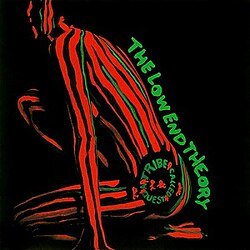
Album Review: A Tribe Called Quest’s The Low End Theory
Fusing jazz rhythms with razor-sharp rhymes, The Low End Theory isn’t just a cornerstone of A Tribe Called Quest’s legacy—it’s a genre-defining masterstroke.

Fusing jazz rhythms with razor-sharp rhymes, The Low End Theory isn’t just a cornerstone of A Tribe Called Quest’s legacy—it’s a genre-defining masterstroke.
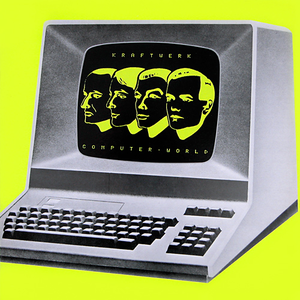
In 1981, Kraftwerk released Computer World, a sleek and prescient album that scanned the digital horizon long before most knew it existed.
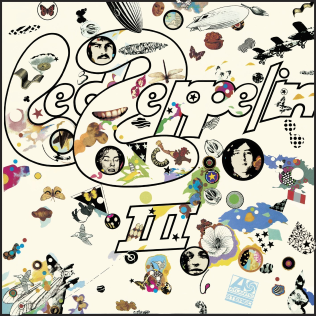
In a daring move away from thunderous riffs, Led Zeppelin III dives into acoustic textures and folk influences—unveiling a quieter, deeper power behind the noise.

What do some of music’s most groundbreaking albums have in common with a blank canvas?
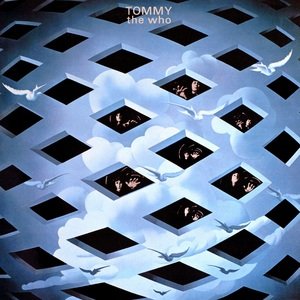
When The Who released Tommy in 1969, they didn’t just make an album—they launched a rock opera that challenged what storytelling in music could be.

Gorillaz’s Plastic Beach isn’t just an album—it’s a synthetic dreamscape stitched together from funk, melancholy, and eco-anxiety.

Blurring the lines between soundtrack and storytelling, Selmasongs sees Björk step into character like never before—delivering an album of sonic daring, emotional depth, and cinematic resonance.

What happens when a decade of pop excess collides with ten bands who refused to let rock roll over and die?

Both myth and masterpiece, In the Aeroplane Over the Sea is more than a cult classic—it’s a raw, surreal journey through love, loss, and lo-fi transcendence.
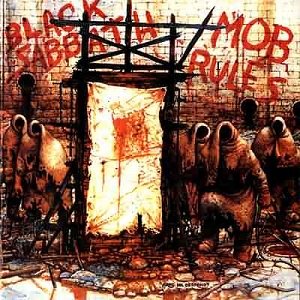
When Ronnie James Dio stepped into the spotlight for Mob Rules, Black Sabbath didn’t just survive—they sharpened their edge.
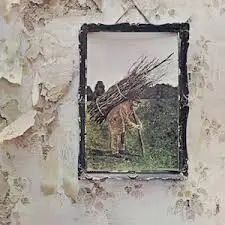
A mysterious cover. No title. Eight tracks that reshaped rock.

What if the songs we love have been warning us about the digital future all along?