
Album Review: David Bowie’s The Next Day
David Bowie’s The Next Day is more than a comeback—it’s a daring reflection on mortality, fame, and legacy.
David Bowie’s The Next Day is more than a comeback—it’s a daring reflection on mortality, fame, and legacy.

David Bowie’s Reality finds the icon trading spectacle for sincerity.

With Heathen, David Bowie delivered a haunting meditation on time, faith, and loss. This album isn’t about reinvention—it’s about reckoning.

With Hours…, David Bowie trades glam and grit for quiet introspection—but does this reflective turn reveal depth, or simply mark a lull in his legacy?
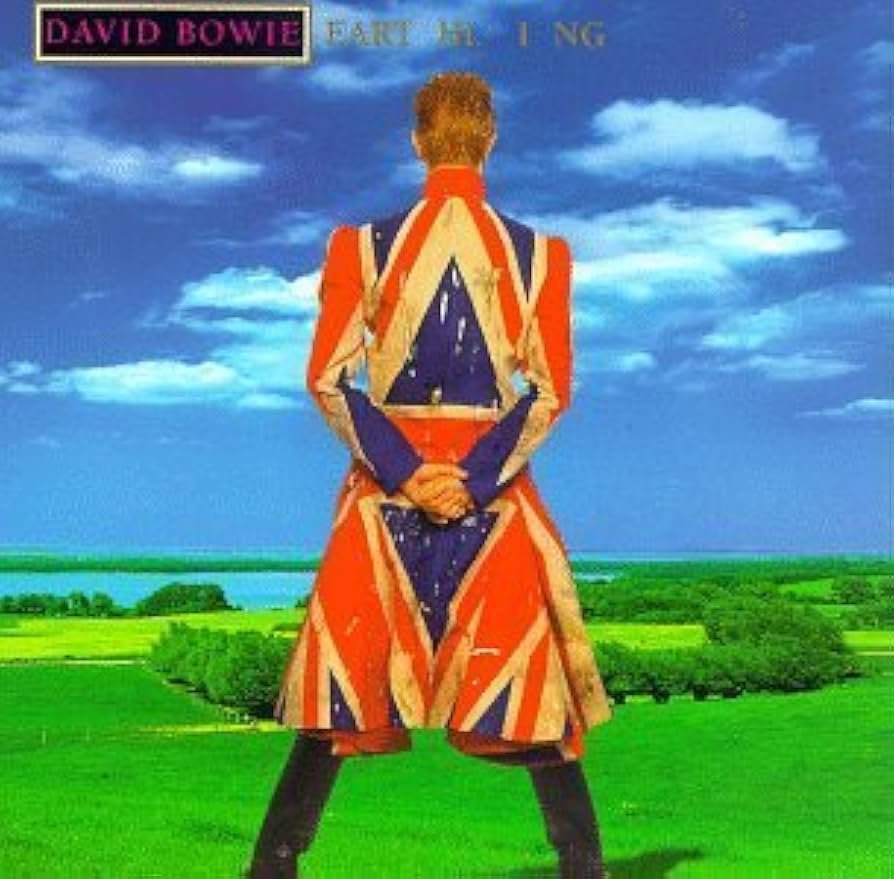
David Bowie’s Earthling isn’t just an album—it’s a high-speed collision of rock and rave, where breakbeats meet blistering guitars. Was this 1997 experiment ahead of its time, or a chaotic detour?
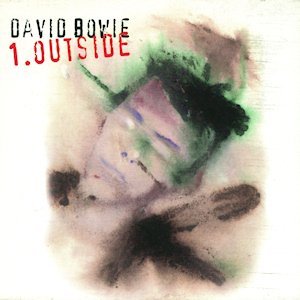
In Outside, David Bowie trades pop hooks for chaos, constructing a dystopian soundscape where art and crime collide. This is Bowie at his most daring—and divisive.
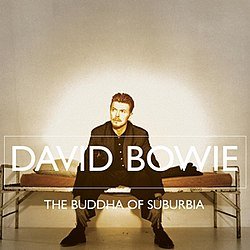
Often dismissed as a footnote in Bowie’s discography, The Buddha of Suburbia is far more than a soundtrack spin-off.
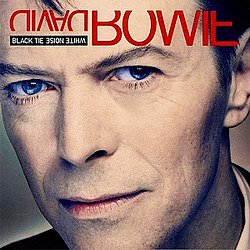
David Bowie’s Black Tie White Noise isn’t just a comeback—it’s a carefully composed blend of love, loss, and social commentary.
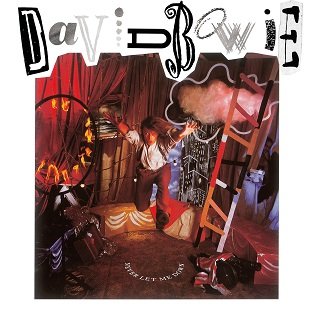
David Bowie’s Never Let Me Down aimed to reclaim his rock roots but collapsed under glossy production and muddled themes.
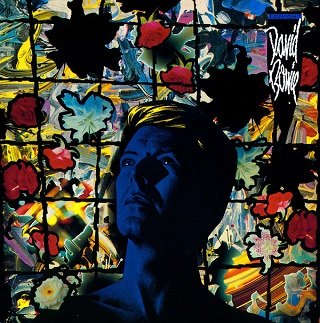
David Bowie’s Tonight trades his usual creative risks for a polished, pop-reggae sound that rarely hits the mark.
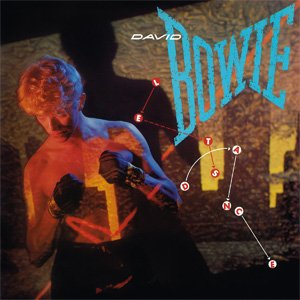
David Bowie’s Let’s Dance is more than an ‘80s dance anthem album—it’s a refined fusion of groove, grit, and layered themes that redefined pop’s artistic boundaries.
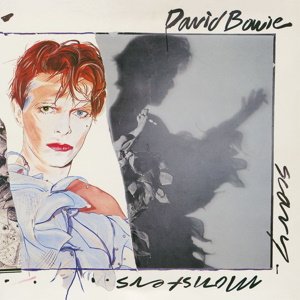
David Bowie’s Scary Monsters isn’t just an album; it’s a haunting exploration of fractured identities, biting social critique, and sharp genre innovation.