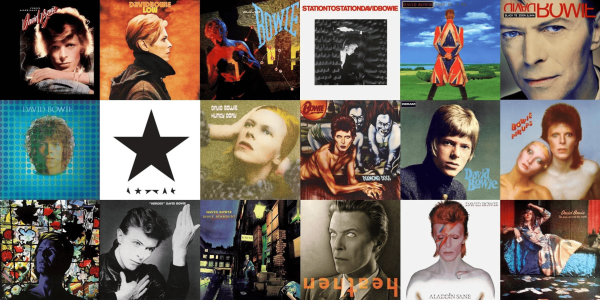
David Bowie’s catalogue is one of the most remarkable in music history. Across five decades, he reinvented himself time and again, exploring glam rock, soul, electronic experimentation, industrial soundscapes, and heartfelt reflection. Few artists have managed to stay so innovative while remaining deeply human. From the misfires to the masterpieces, here’s how his albums stack up, starting from the bottom and climbing to the top.
25. Tonight (1984)
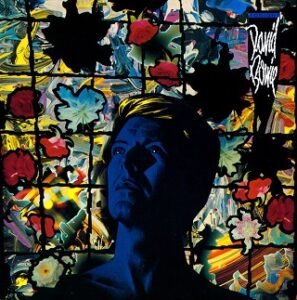
Even the most brilliant artists have their off days, and Tonight is one of Bowie’s least inspired efforts. The reggae-infused rhythms and glossy production feel disconnected from his usual spark. “Loving the Alien” offers a glimpse of greatness, but the rest feels like an echo of his 1983 commercial high. It’s pleasant in parts but lacks the bite and invention fans had come to expect.
24. Never Let Me Down (1987)
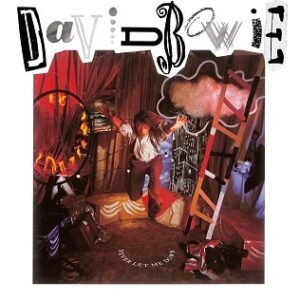
A product of 80s excess, Never Let Me Down buries Bowie’s creativity under layers of overproduction. The album has heart, and songs like “Time Will Crawl” show real promise, but it struggles to find a clear direction. Bowie himself later revisited and reimagined it, which says a lot about how he felt the original version turned out.
23. Pin Ups (1973)
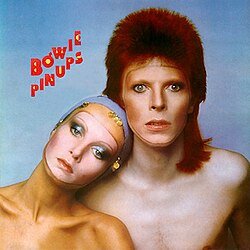
This covers record pays tribute to 60s London bands like The Kinks, The Yardbirds, and The Who. It’s a charming idea, but the execution feels rushed. Bowie’s versions lack the electricity of his original material from the same period. Still, it captures a bit of the playful spirit that defined his early glam years.
22. David Bowie (1967)
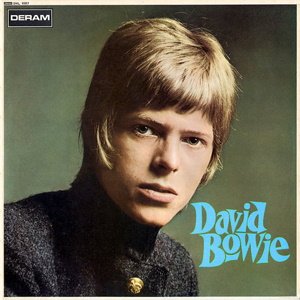
Bowie’s debut is an odd mix of quirky British pop and theatrical storytelling. It’s more Anthony Newley than rock and roll, and while it’s fun in its own way, it bears little resemblance to the visionary artist he became. Songs like “Love You Till Tuesday” hint at his curiosity but not yet his genius.
21. Black Tie White Noise (1993)
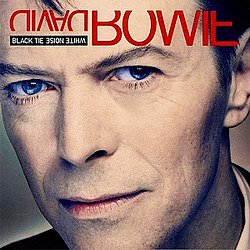
Bowie’s return to solo work after Tin Machine blends electronic textures with jazz and soul influences. It’s a mixed success, uneven but interesting. “Miracle Goodnight” and “Jump They Say” stand out, offering glimpses of the sharp creativity that would define his later years.
20. Hours… (1999)
A reflective and introspective album, Hours… finds Bowie in a contemplative mood. The songs deal with aging, regret, and memory. While the themes are heartfelt, the production lacks the risk-taking energy of his earlier works. Still, it’s a tender listen that rewards patience.
19. Reality (2003)

Bowie sounds relaxed and confident here, playing with rock textures and mature songwriting. “New Killer Star” and “Never Get Old” are highlights, showing a man comfortable in his skin. Yet, while Reality is solid, it doesn’t feel like a groundbreaking chapter—more a steady continuation.
18. Outside (1995)
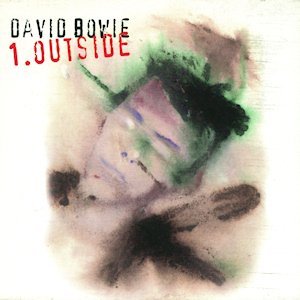
An ambitious concept album exploring art, crime, and identity. Outside dives into industrial rock, full of atmosphere and experimentation. With Brian Eno back in the fold, Bowie crafted something that feels both cerebral and emotional. It’s dense, challenging, and endlessly rewarding.
17. Let’s Dance (1983)
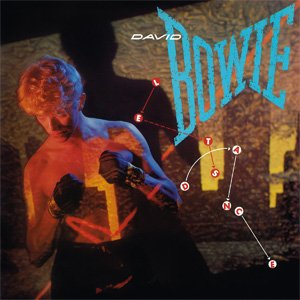
A global smash and a sharp turn toward mainstream pop. Let’s Dance brought hits like “Modern Love” and “China Girl,” cementing Bowie’s status as a superstar. Yet the album’s slick production and commercial focus left some long-time fans cold. It’s vibrant and fun but lacks the edge of his earlier material.
16. Lodger (1979)

The last part of the Berlin Trilogy, Lodger is an adventurous, globe-trotting album that’s often overlooked. It fuses art-rock with world music influences and restless experimentation. While it’s less cohesive than Low or Heroes, its energy and daring spirit make it worth rediscovery.
15. Earthling (1997)
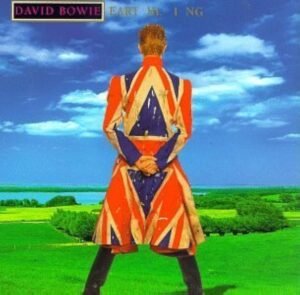
Here Bowie dives headfirst into the 90s drum-and-bass and industrial scenes. The result is a wild, high-octane album full of digital energy. “Little Wonder” and “Dead Man Walking” show that he could adapt to new eras without losing his individuality. It’s bold, occasionally chaotic, but exciting.
14. The Man Who Sold the World (1970)
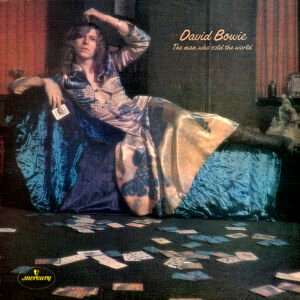
This record marked Bowie’s shift into heavier rock territory. Its eerie atmosphere and complex lyrics laid the groundwork for his future personas. The title track, later reinterpreted by Nirvana, showed just how timeless his songwriting could be.
13. Young Americans (1975)
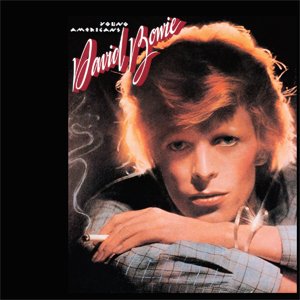
Bowie traded glam for soul, embracing the Philadelphia sound with swagger. Young Americans is smooth, funky, and confident, featuring the timeless “Fame.” Some tracks haven’t aged as well, but the album’s warmth and spirit of reinvention are undeniable.
12. Heathen (2002)
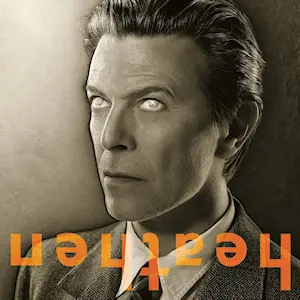
A mature, reflective record that revisits Bowie’s strengths while looking forward. “Slip Away” and “Everyone Says ‘Hi’” are filled with warmth and vulnerability. Heathen proves that Bowie never lost his touch for creating deeply human art, even late into his career.
11. Scary Monsters (and Super Creeps) (1980)
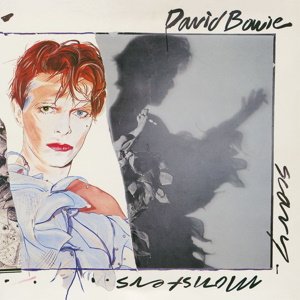
Here Bowie closes out the 70s with a sharp, modern rock album. It feels both retrospective and forward-looking, with “Ashes to Ashes” and “Fashion” standing out. It bridges his experimental past with his mainstream success, striking a rare balance between art and accessibility.
10. The Next Day (2013)
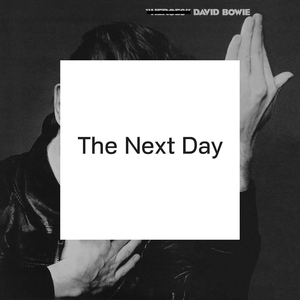
Bowie’s first album in a decade arrived with zero warning and reignited global interest. The energy and songwriting are strong, particularly on “Where Are We Now?” and “The Stars (Are Out Tonight).” It’s not revolutionary, but it’s a proud and polished return to form.
9. Space Oddity (1969)
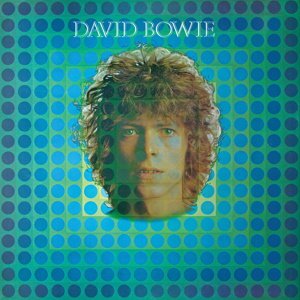
This is where the true Bowie story begins. The title track introduced the world to Major Tom and set the stage for his fascination with isolation and identity. The album balances folk influences with cosmic imagery, offering a glimpse of the genius to come. “Cygnet Committee” and “Memory of a Free Festival” show early flashes of his poetic reach.
8. Diamond Dogs (1974)
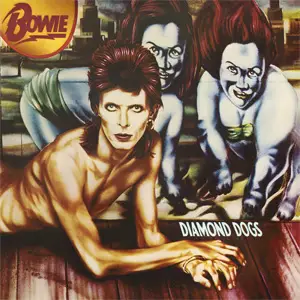
A post-apocalyptic glam-rock opera inspired by George Orwell’s 1984. The album’s darkness and theatrical flair make it one of Bowie’s most ambitious works. “Rebel Rebel” remains a timeless anthem, and the title track drips with gritty allure. It’s a messy masterpiece of dystopian vision.
7. Station to Station (1976)
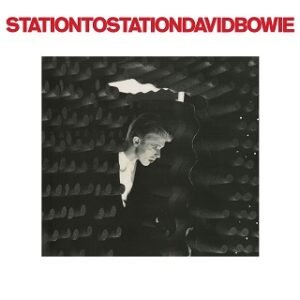
This is Bowie at his most enigmatic, embodying the Thin White Duke. The songs blend funk, soul, and cold European art rock with effortless precision. “Golden Years” and the title track are both hypnotic and daring, hinting at the experimental soundscapes to come.
6. Heroes (1977)
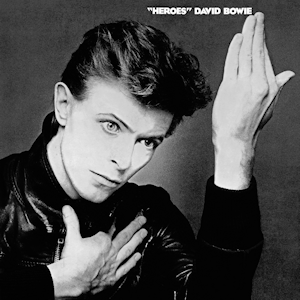
Recorded in West Berlin with Brian Eno, Heroes captures the spirit of hope and reinvention. The title track alone is monumental, but the entire album feels like a cinematic journey through isolation and defiance. It’s emotional, experimental, and utterly human.
5. Hunky Dory (1971)
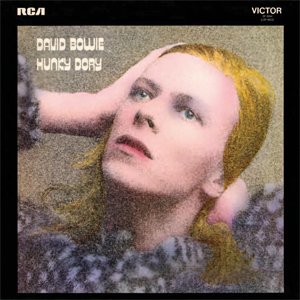
A brilliant mix of folk, pop, and surreal lyricism. With songs like “Life on Mars?” and “Changes,” Bowie showed the world his melodic and poetic side. Every track feels like a story, filled with charm and introspection. It’s an album that never loses its magic.
4. Aladdin Sane (1973)
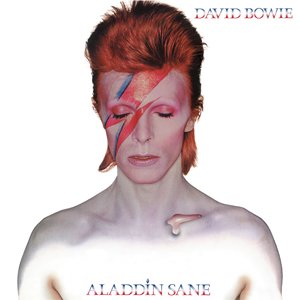
A feverish follow-up to Ziggy Stardust, this album blends glam rock with avant-garde chaos. “The Jean Genie” and “Drive-In Saturday” showcase Bowie’s sharp storytelling and charisma, while Mike Garson’s piano playing adds a touch of madness. It’s glamorous, dangerous, and utterly alive.
3. Blackstar (2016)

Released just days before his death, Blackstar is haunting and visionary. The album fuses jazz, electronic, and rock elements into something deeply emotional. Tracks like “Lazarus” and the title song feel like parting gifts from a man who turned his own mortality into art. It’s heartbreaking and inspiring in equal measure.
2.The Rise and Fall of Ziggy Stardust and the Spiders from Mars (1972)
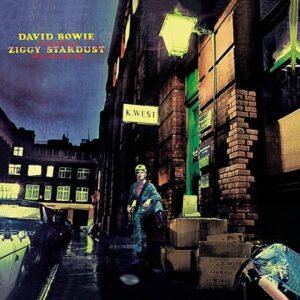
This is where Bowie became legend. The concept of the androgynous alien rock star took over the world, and every song—from “Starman” to “Suffragette City”—is unforgettable. It’s flamboyant, bold, and endlessly influential, defining an entire era of glam rock.
1. Low (1977)
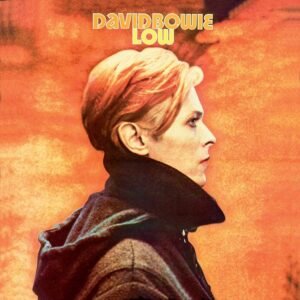
The crown jewel of Bowie’s career. Low redefined what rock music could be, fusing minimalism, electronic textures, and fragmented emotions. The first side brims with concise, off-kilter pop like “Sound and Vision,” while the second side drifts into haunting instrumental landscapes. It’s cold, beautiful, and endlessly influential. Low is not only Bowie’s best album—it’s one of the most groundbreaking records ever made.