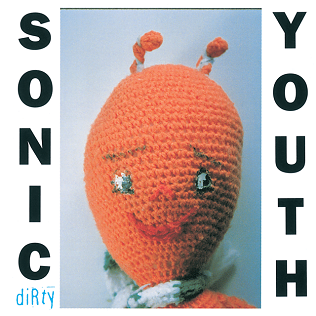
Album Review: Sonic Youth’s Dirty
When Dirty dropped in 1992, it didn’t just ride the grunge wave—it snarled back at it.
When Dirty dropped in 1992, it didn’t just ride the grunge wave—it snarled back at it.
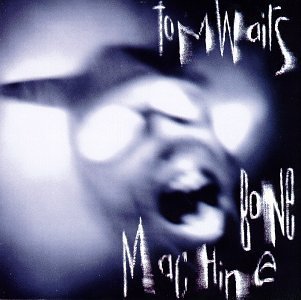
Tom Waits strips his sound to the skeleton on Bone Machine, crafting an eerie, visceral record that dances with death and drips with innovation.
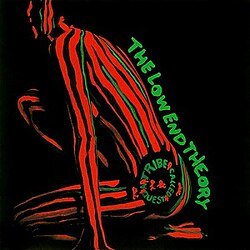
Fusing jazz rhythms with razor-sharp rhymes, The Low End Theory isn’t just a cornerstone of A Tribe Called Quest’s legacy—it’s a genre-defining masterstroke.

Both myth and masterpiece, In the Aeroplane Over the Sea is more than a cult classic—it’s a raw, surreal journey through love, loss, and lo-fi transcendence.
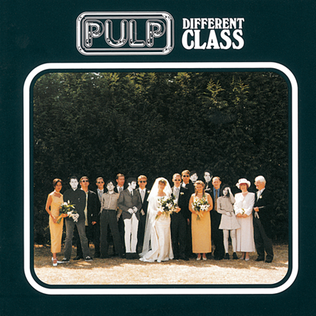
With biting lyrics, genre-blending swagger, and a razor-sharp take on class and desire, Different Class isn’t just a Britpop gem—it’s Pulp at their most fearless.

Tori Amos’s Little Earthquakes wasn’t just a debut, it was a reckoning.
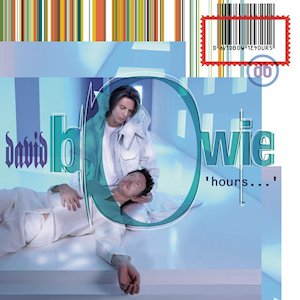
With Hours…, David Bowie trades glam and grit for quiet introspection—but does this reflective turn reveal depth, or simply mark a lull in his legacy?
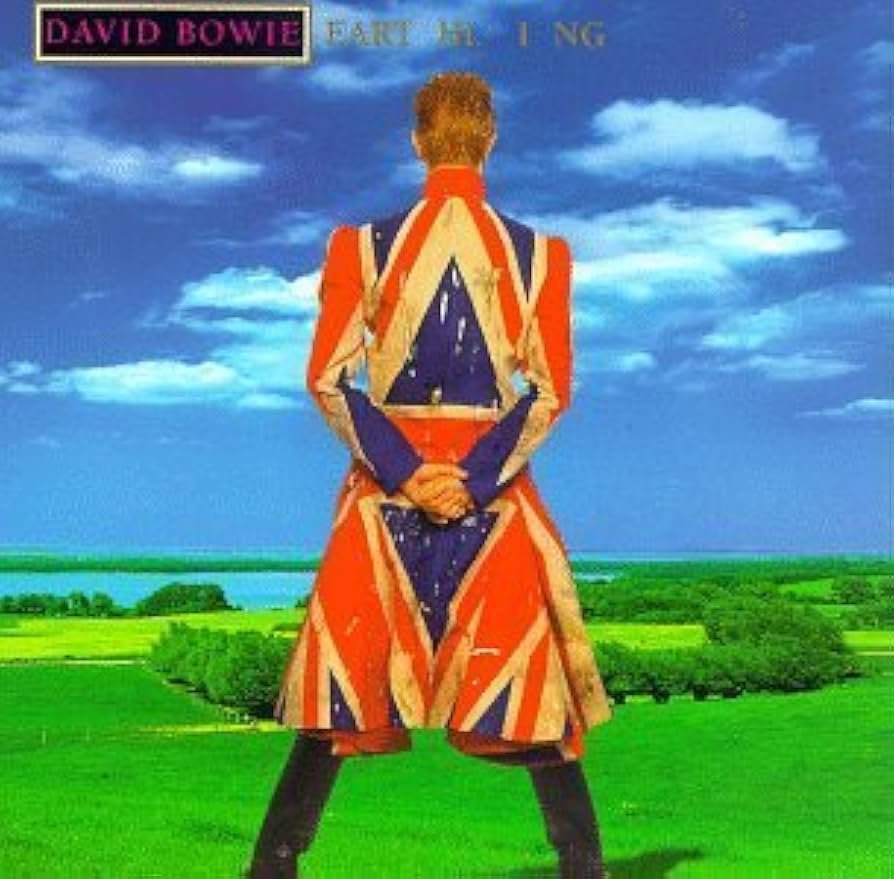
David Bowie’s Earthling isn’t just an album—it’s a high-speed collision of rock and rave, where breakbeats meet blistering guitars. Was this 1997 experiment ahead of its time, or a chaotic detour?
In Outside, David Bowie trades pop hooks for chaos, constructing a dystopian soundscape where art and crime collide. This is Bowie at his most daring—and divisive.
Often dismissed as a footnote in Bowie’s discography, The Buddha of Suburbia is far more than a soundtrack spin-off.
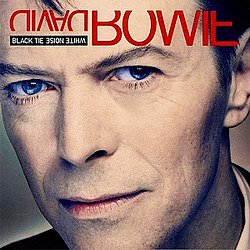
David Bowie’s Black Tie White Noise isn’t just a comeback—it’s a carefully composed blend of love, loss, and social commentary.
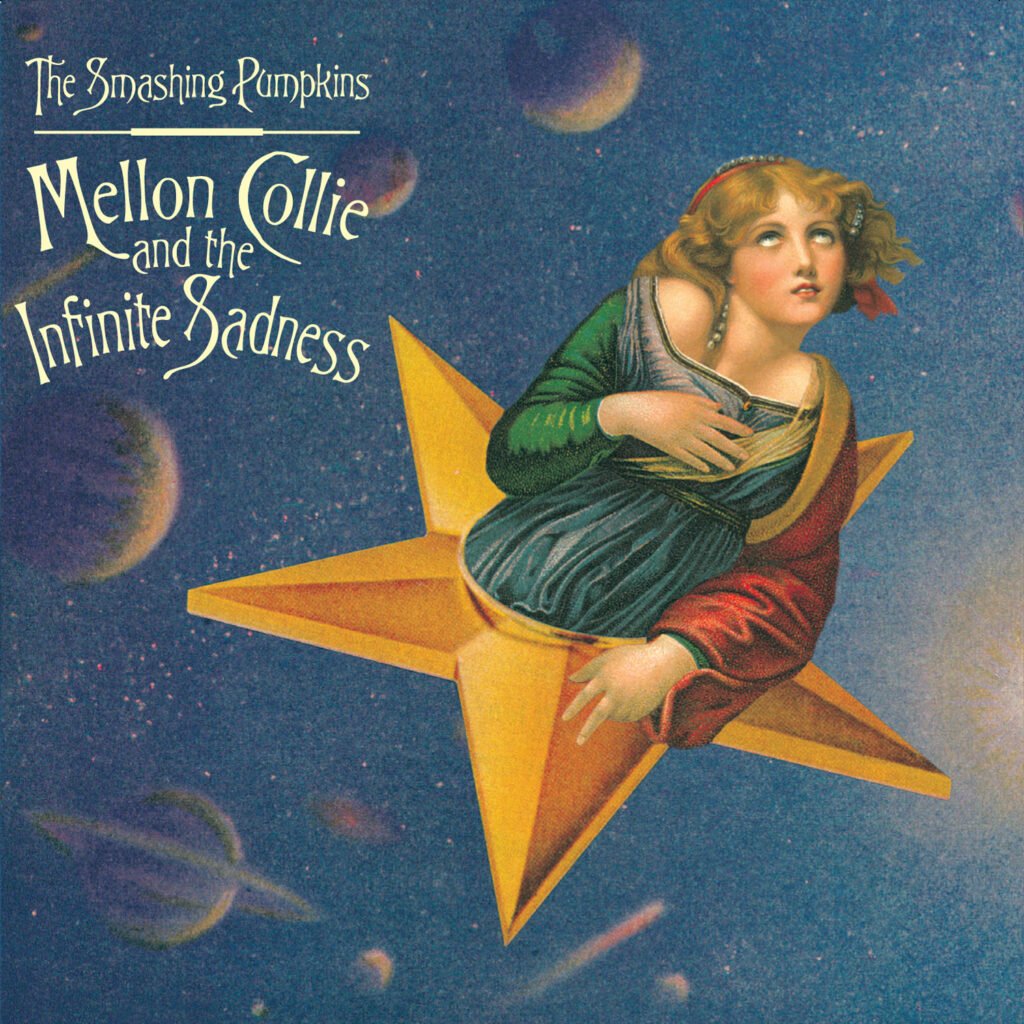
Bold, sprawling, and unapologetically emotional, Mellon Collie and the Infinite Sadness stands as the Smashing Pumpkins’ magnum opus.