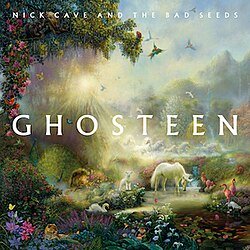
Album Review: Nick Cave and the Bad Seeds’ Ghosteen
With Ghosteen, Nick Cave and the Bad Seeds trade blood-soaked ballads for ambient elegies, crafting a luminous and sorrowful journey through loss and wonder.
With Ghosteen, Nick Cave and the Bad Seeds trade blood-soaked ballads for ambient elegies, crafting a luminous and sorrowful journey through loss and wonder.

With White Chalk, PJ Harvey trades electric grit for ghostly stillness, crafting an album that whispers rather than shouts.
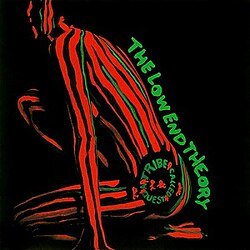
Fusing jazz rhythms with razor-sharp rhymes, The Low End Theory isn’t just a cornerstone of A Tribe Called Quest’s legacy—it’s a genre-defining masterstroke.
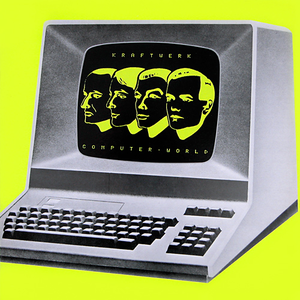
In 1981, Kraftwerk released Computer World, a sleek and prescient album that scanned the digital horizon long before most knew it existed.
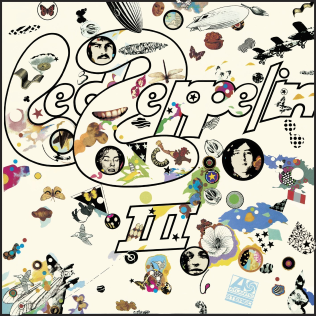
In a daring move away from thunderous riffs, Led Zeppelin III dives into acoustic textures and folk influences—unveiling a quieter, deeper power behind the noise.
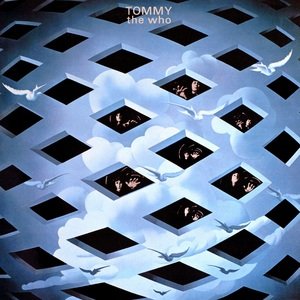
When The Who released Tommy in 1969, they didn’t just make an album—they launched a rock opera that challenged what storytelling in music could be.

Gorillaz’s Plastic Beach isn’t just an album—it’s a synthetic dreamscape stitched together from funk, melancholy, and eco-anxiety.

Blurring the lines between soundtrack and storytelling, Selmasongs sees Björk step into character like never before—delivering an album of sonic daring, emotional depth, and cinematic resonance.
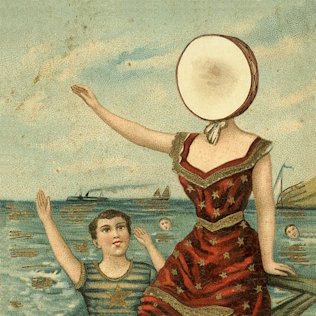
Both myth and masterpiece, In the Aeroplane Over the Sea is more than a cult classic—it’s a raw, surreal journey through love, loss, and lo-fi transcendence.
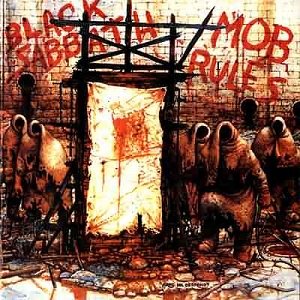
When Ronnie James Dio stepped into the spotlight for Mob Rules, Black Sabbath didn’t just survive—they sharpened their edge.
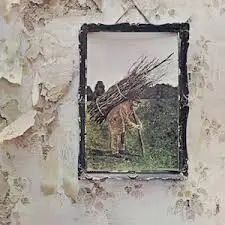
A mysterious cover. No title. Eight tracks that reshaped rock.
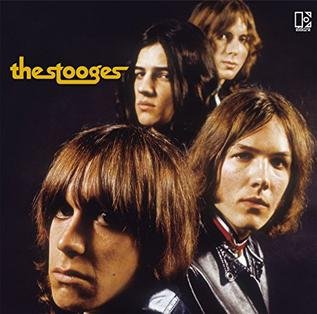
Before punk had a name, The Stooges gave it a voice. With snarling vocals, savage riffs, and unapologetic simplicity, their debut album didn’t just break the mold—it tore it apart.