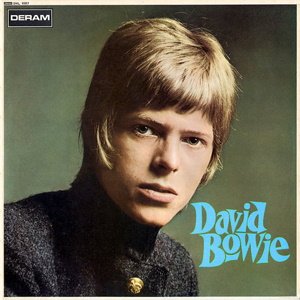
Album Review: David Bowie’s Debut
Before he became Ziggy Stardust or the Thin White Duke, David Bowie was a wide-eyed storyteller with a taste for the theatrical. His 1967 debut is no classic but it’s a fascinating glimpse at a legend in the making.
Before he became Ziggy Stardust or the Thin White Duke, David Bowie was a wide-eyed storyteller with a taste for the theatrical. His 1967 debut is no classic but it’s a fascinating glimpse at a legend in the making.

Björk’s Vulnicura peels back the layers of heartbreak with fearless honesty and innovative soundscapes.
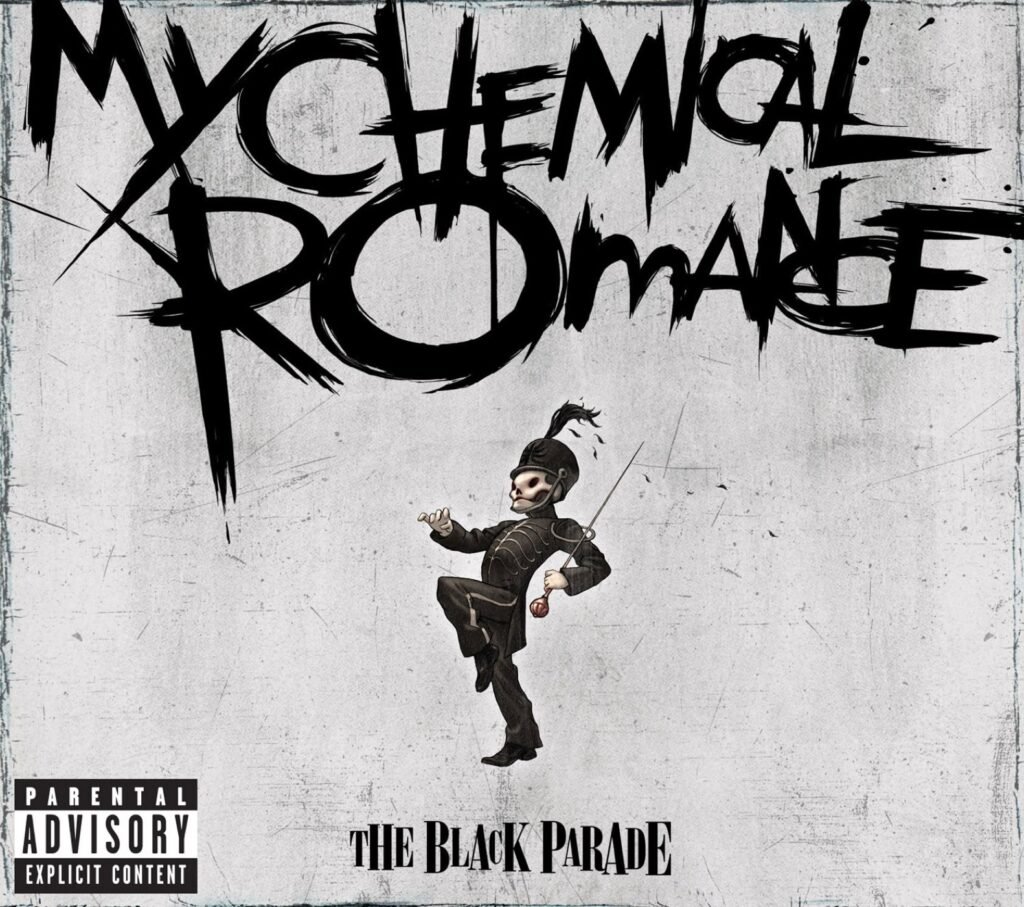
My Chemical Romance didn’t just release an album—they orchestrated a rock opera about death, legacy, and spectacle.
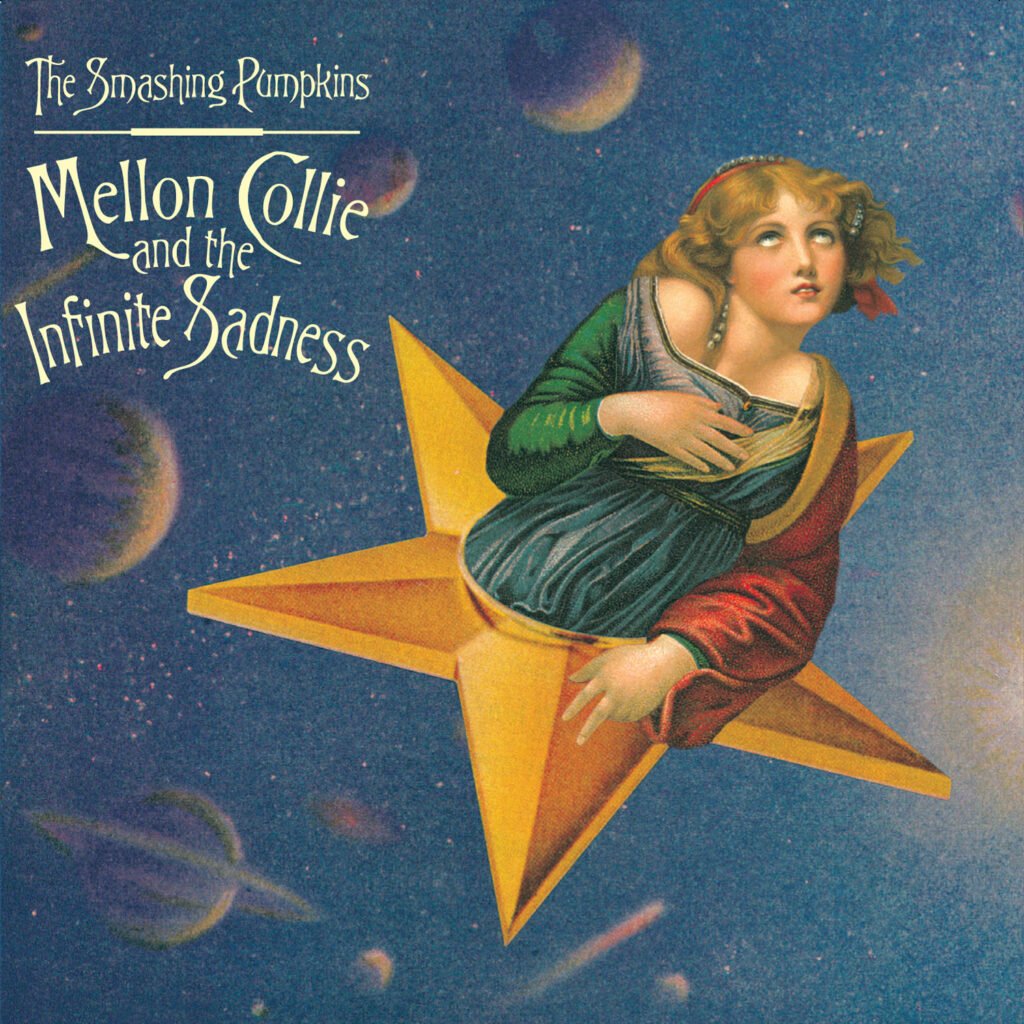
Bold, sprawling, and unapologetically emotional, Mellon Collie and the Infinite Sadness stands as the Smashing Pumpkins’ magnum opus.
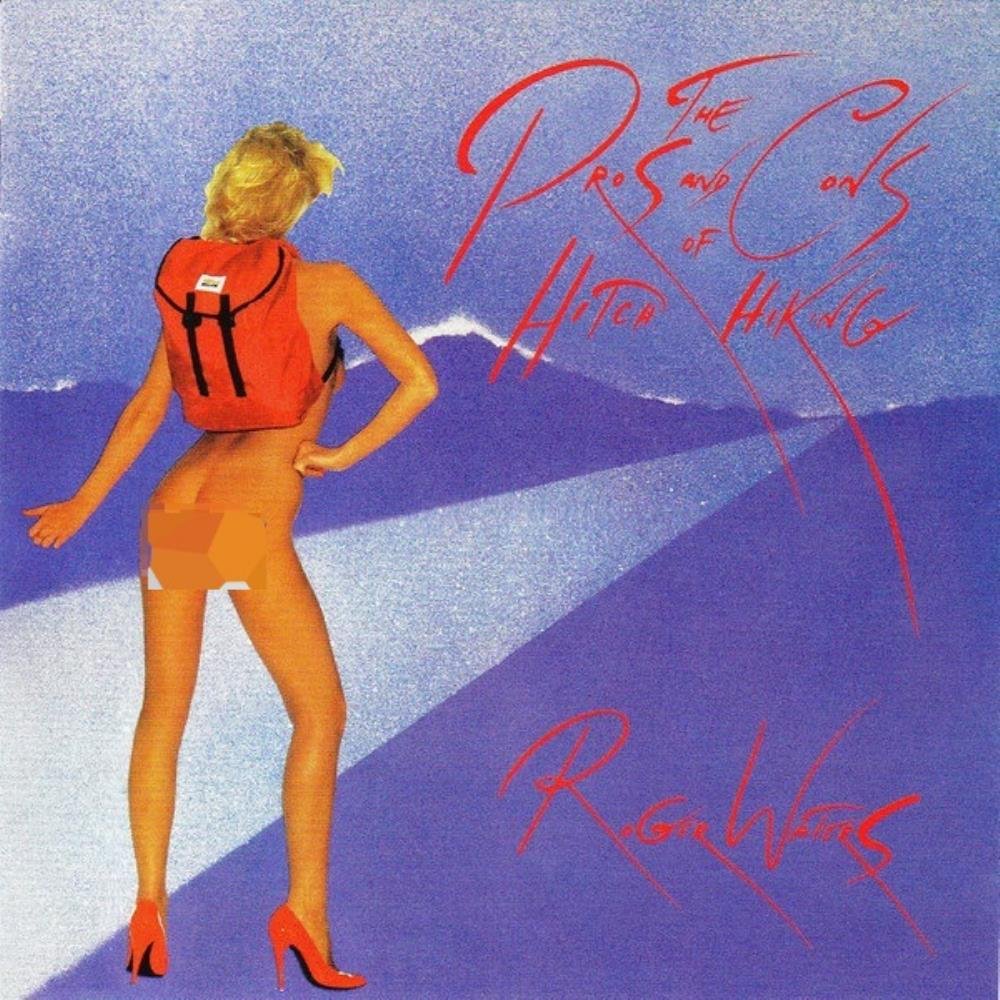
In his first solo outing post-Pink Floyd, Roger Waters trades stadium-sized anthems for a sleepless night’s confession.
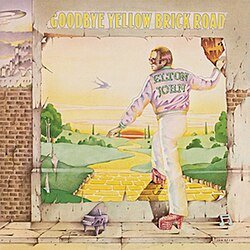
Elton John’s magnum opus isn’t just a double album—it’s a kaleidoscope of sound and story.
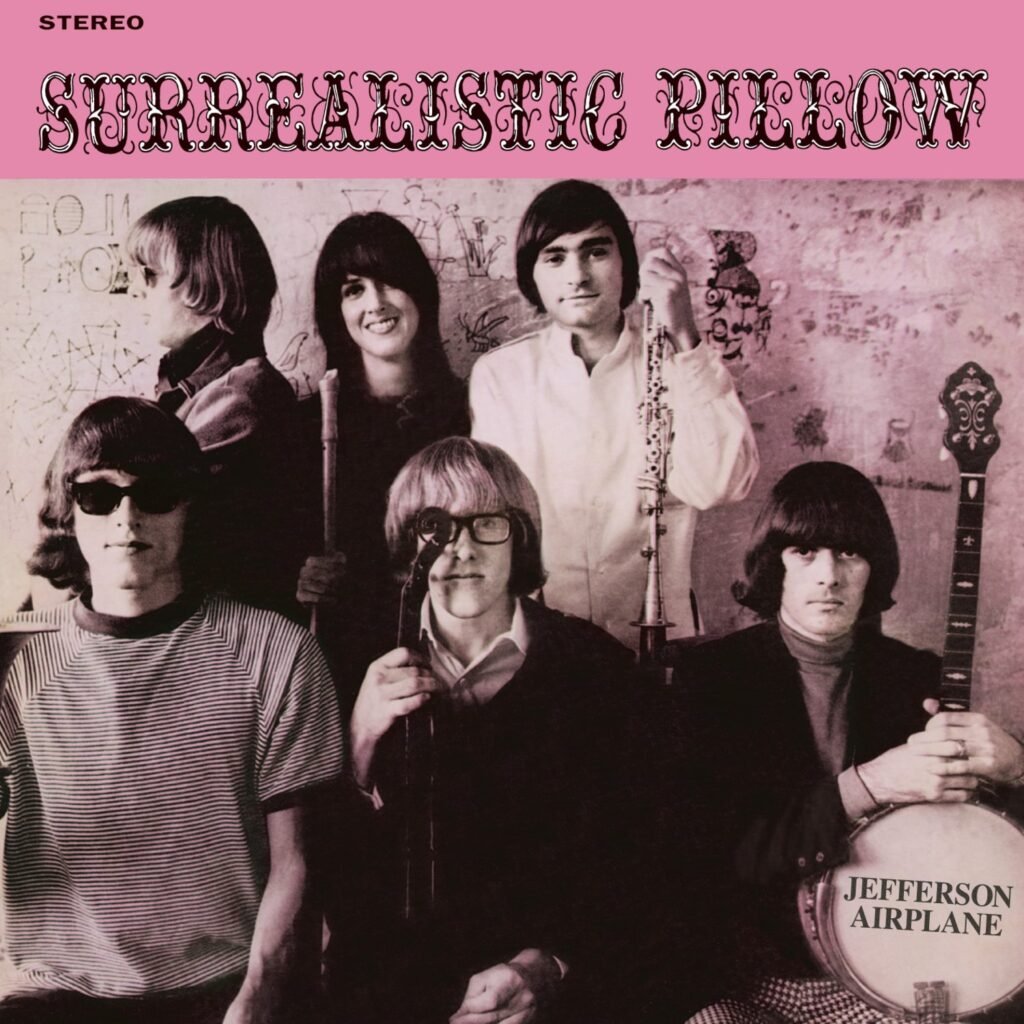
Bold, surreal, and era-defining—Surrealistic Pillow isn’t just an album, it’s a sonic time capsule.

On Puberty 2, Mitski navigates emotional chaos with raw honesty and striking artistry—delivering a powerful soundtrack to personal turmoil and growth.

Björk’s Drawing Restraint 9 challenges traditional album formats with its meditative fusion of Japanese instruments and avant-garde soundscapes.
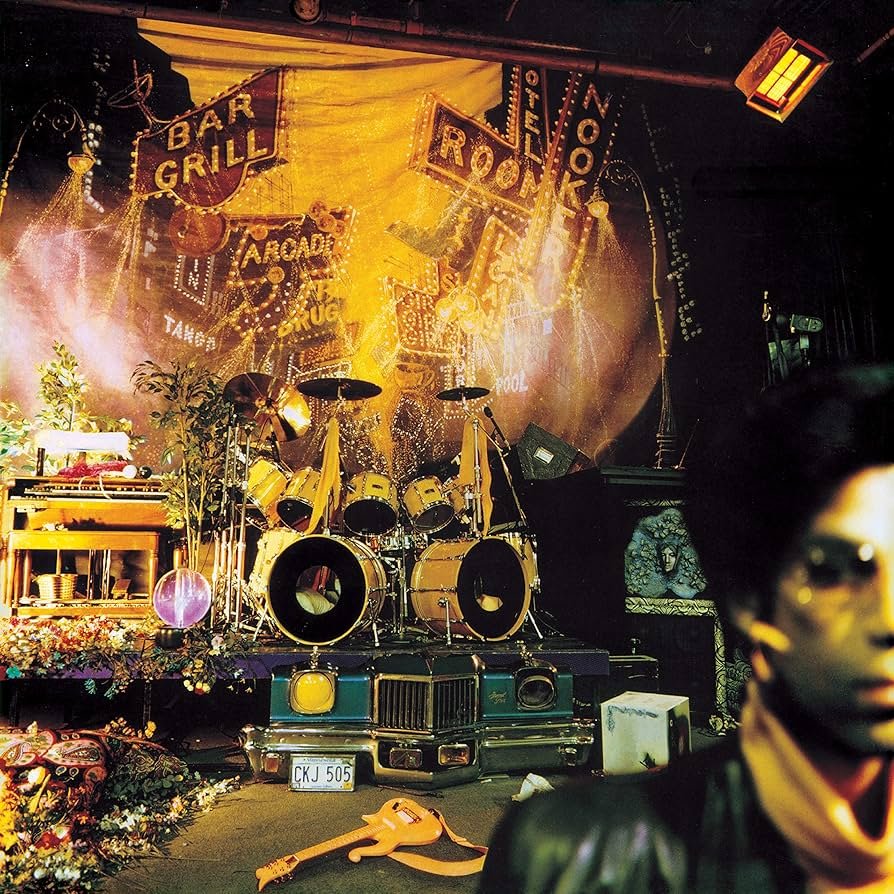
Prince’s Sign O’ The Times isn’t just an album—it’s a bold manifesto of sound and soul.
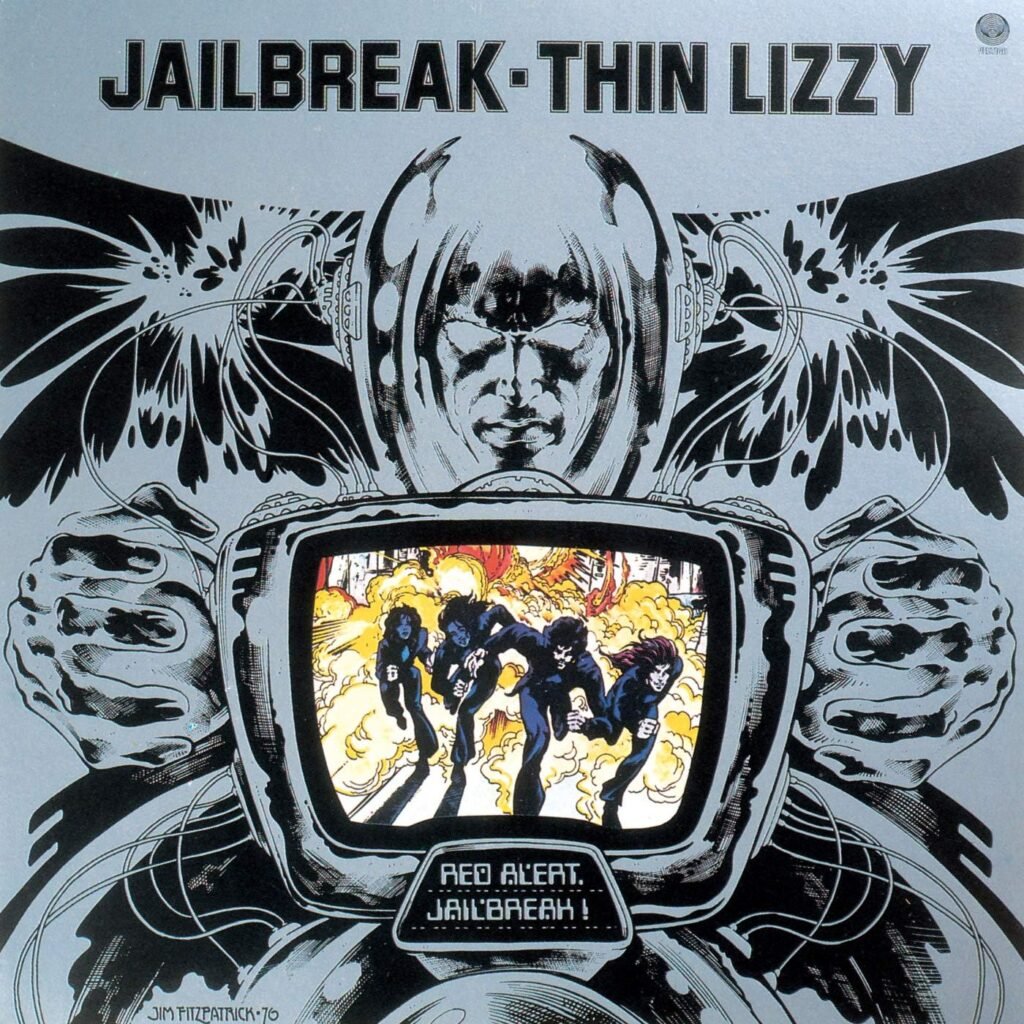
Thin Lizzy’s Jailbreak isn’t just home to a classic anthem—it’s a gritty, emotional ride through rebellion, romance, and rock at its most poetic and precise.
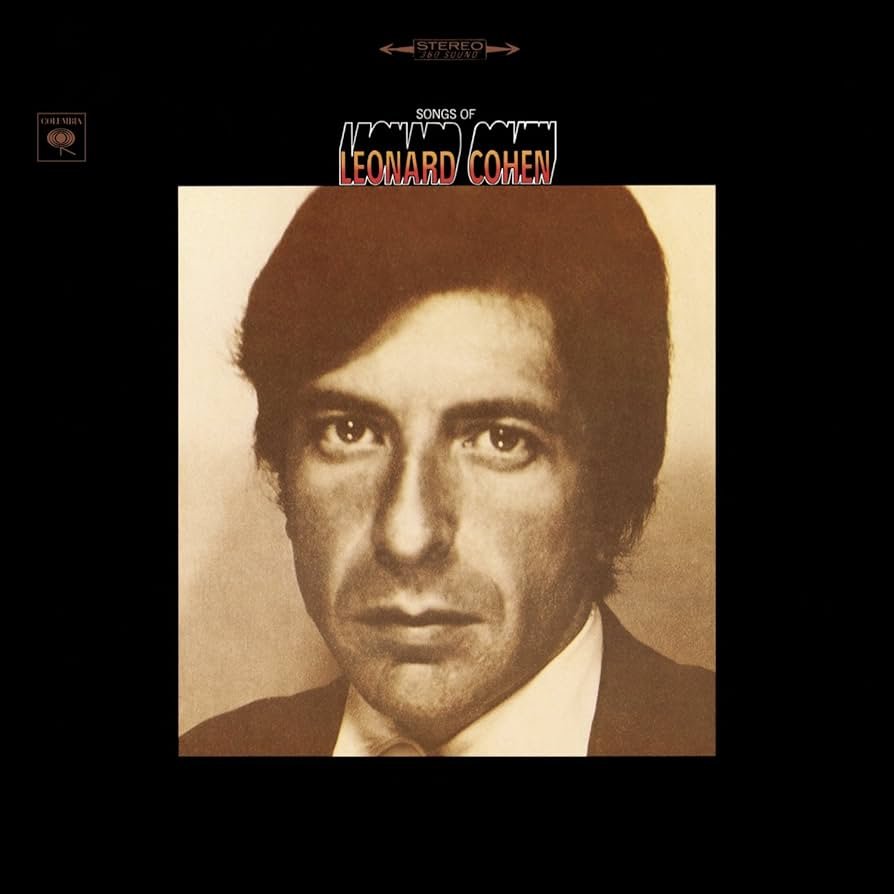
Leonard Cohen’s 1967 debut wasn’t loud, but it spoke volumes.