
Album Review: Comus’ First Utterance
Few albums evoke sheer primal energy like First Utterance by Comus. A feverish blend of pagan folk, theatrical vocals, and unsettling themes, this cult classic remains as haunting today as it was in 1971.

Few albums evoke sheer primal energy like First Utterance by Comus. A feverish blend of pagan folk, theatrical vocals, and unsettling themes, this cult classic remains as haunting today as it was in 1971.
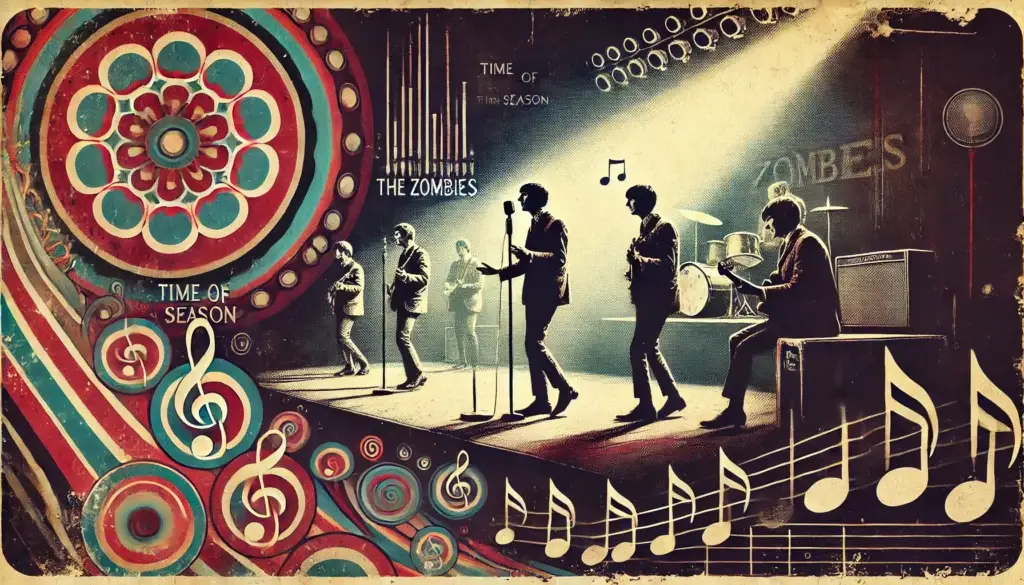
When The Zombies released Odessey and Oracle in 1968, it flopped. By the time “Time of the Season” became a hit in 1969, the band had already split. What went wrong?
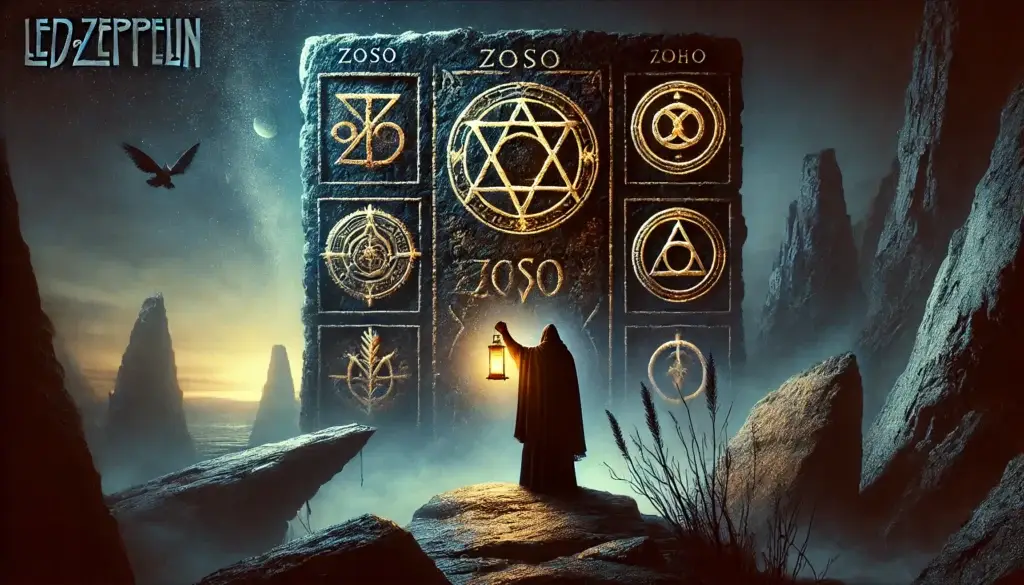
When Led Zeppelin IV dropped in 1971, it came with no title—only four cryptic symbols.
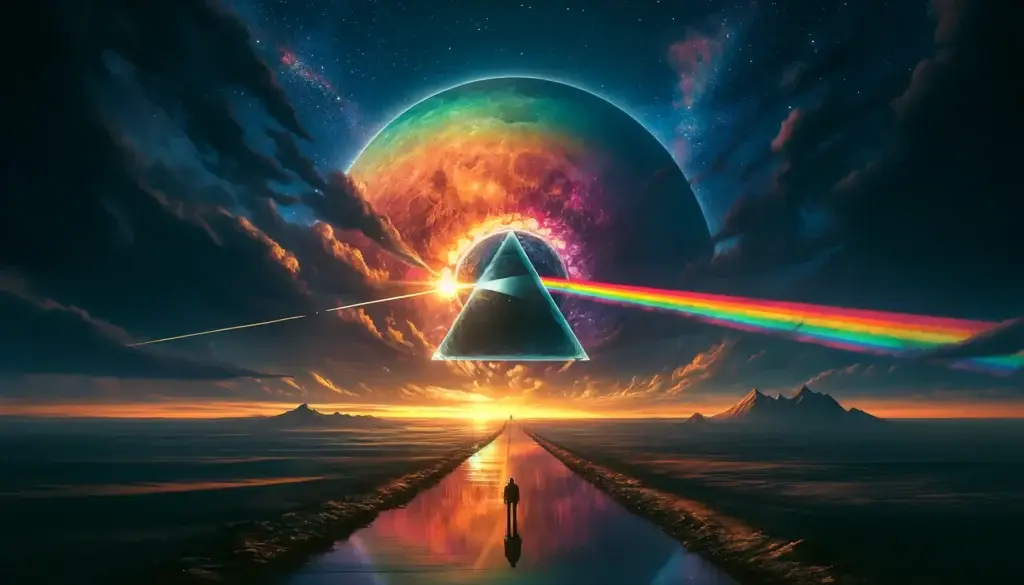
Pink Floyd’s music transcends time, blending psychedelic soundscapes with profound storytelling. From “Astronomy Domine” to “Echoes,” we rank their top 10 greatest songs—essential listening for any fan of progressive rock.

In 1969, Led Zeppelin I crashed onto the scene like a sonic thunderstorm—blues-infused, electrified, and untamed. Was this the birth of hard rock? Absolutely!
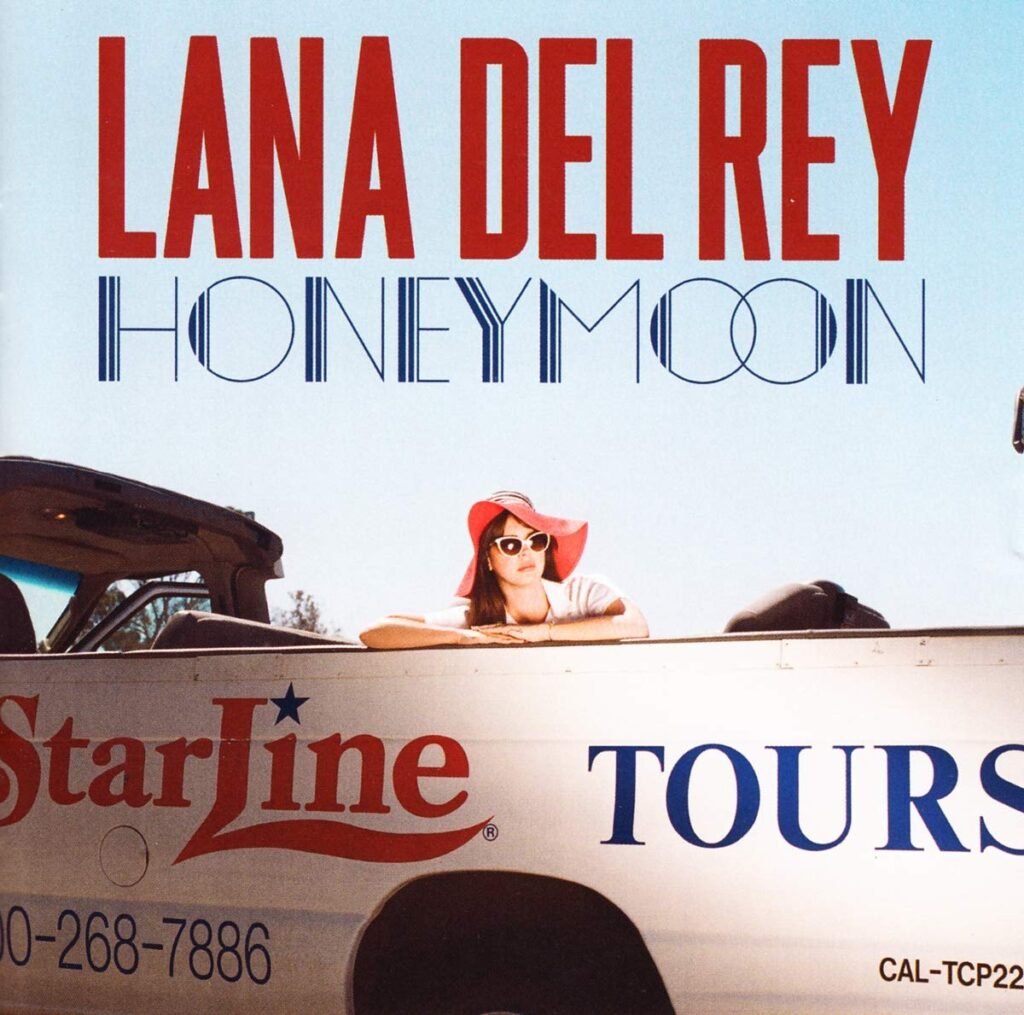
Lana Del Rey’s Honeymoon isn’t just an album—it’s an experience. Haunting, cinematic, and unapologetically slow, it invites listeners into a world of faded glamour, doomed romance, and poetic sorrow.
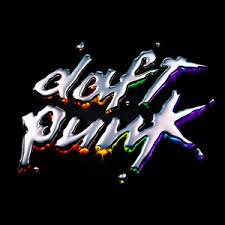
With Discovery, Daft Punk didn’t just make an album—they crafted a sonic universe where robots dream, disco reigns, and electronic music finds its soul.
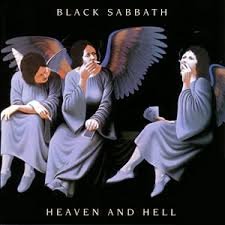
Black Sabbath’s Heaven and Hell wasn’t just a comeback—it was a rebirth. With Dio at the helm, the band forged a new metal legacy.
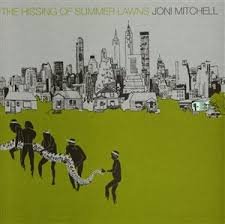
Joni Mitchell’s The Hissing of Summer Lawns was a bold leap into jazz-inflected storytelling, misunderstood at first but now hailed as a masterpiece.
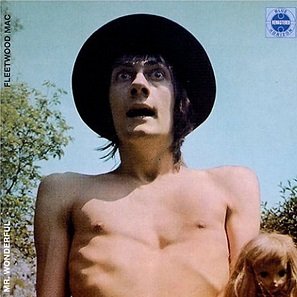
Before Fleetwood Mac became rock legends, they were a pure blues band. Mr. Wonderful captures that raw era—but does it deliver, or does it fall flat?

With A Hero’s Death, Fontaines D.C. reject the easy road of repetition, delivering a slow-burning, mantra-driven album that trades youthful defiance for weary reflection.
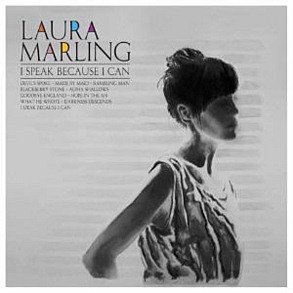
With I Speak Because I Can, Laura Marling trades youthful whimsy for raw introspection.