
Album Review: Led Zeppelin’s Led Zeppelin 1
In 1969, Led Zeppelin I crashed onto the scene like a sonic thunderstorm—blues-infused, electrified, and untamed. Was this the birth of hard rock? Absolutely!
In 1969, Led Zeppelin I crashed onto the scene like a sonic thunderstorm—blues-infused, electrified, and untamed. Was this the birth of hard rock? Absolutely!
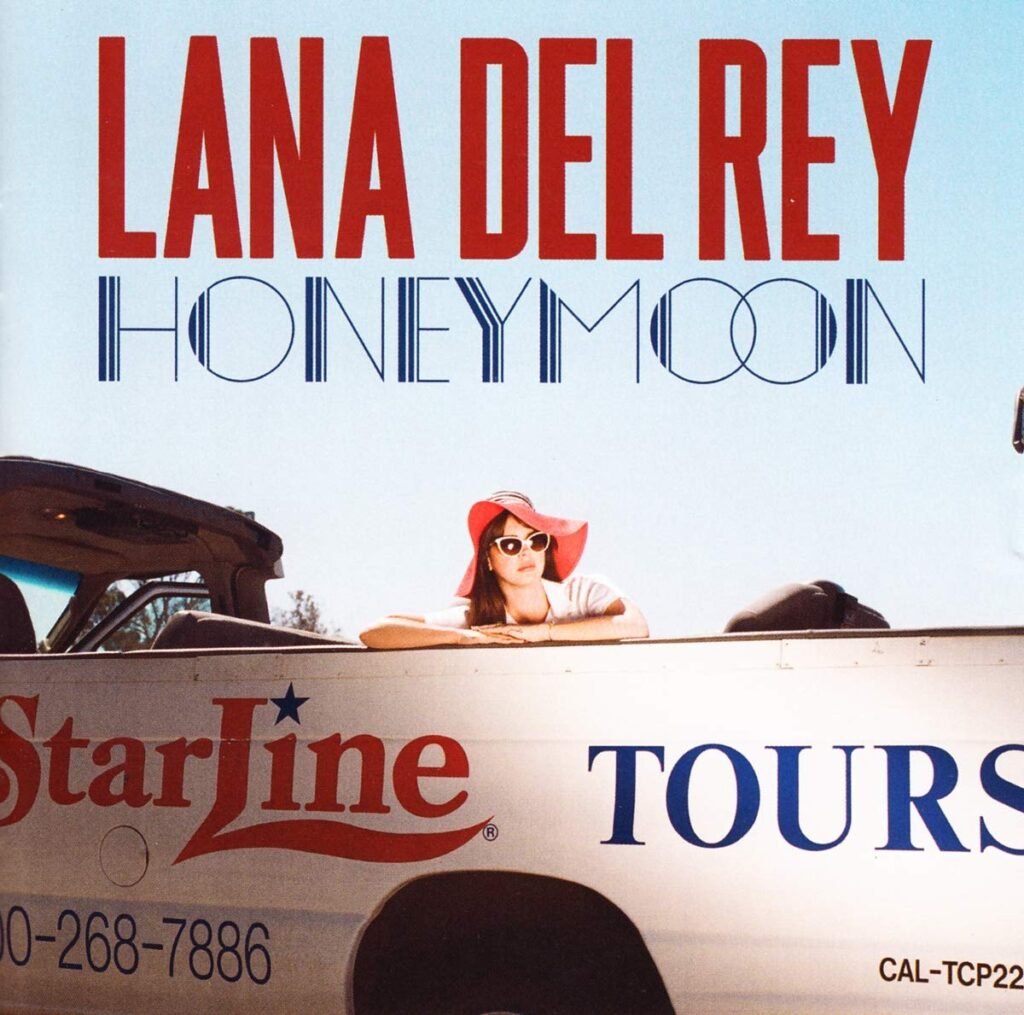
Lana Del Rey’s Honeymoon isn’t just an album—it’s an experience. Haunting, cinematic, and unapologetically slow, it invites listeners into a world of faded glamour, doomed romance, and poetic sorrow.
With Discovery, Daft Punk didn’t just make an album—they crafted a sonic universe where robots dream, disco reigns, and electronic music finds its soul.
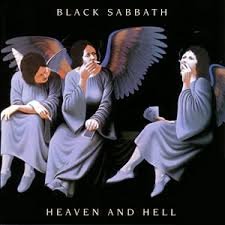
Black Sabbath’s Heaven and Hell wasn’t just a comeback—it was a rebirth. With Dio at the helm, the band forged a new metal legacy.
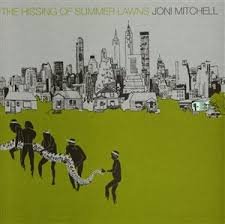
Joni Mitchell’s The Hissing of Summer Lawns was a bold leap into jazz-inflected storytelling, misunderstood at first but now hailed as a masterpiece.
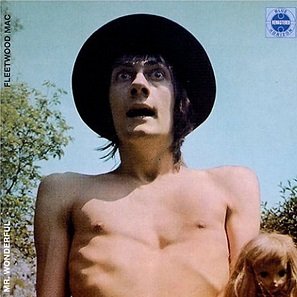
Before Fleetwood Mac became rock legends, they were a pure blues band. Mr. Wonderful captures that raw era—but does it deliver, or does it fall flat?

With A Hero’s Death, Fontaines D.C. reject the easy road of repetition, delivering a slow-burning, mantra-driven album that trades youthful defiance for weary reflection.
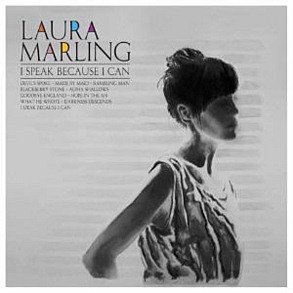
With I Speak Because I Can, Laura Marling trades youthful whimsy for raw introspection.
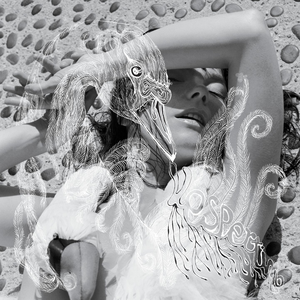
Björk’s Vespertine is not just an album—it’s a whispered world of delicate beats, layered vocals, and hushed intimacy.
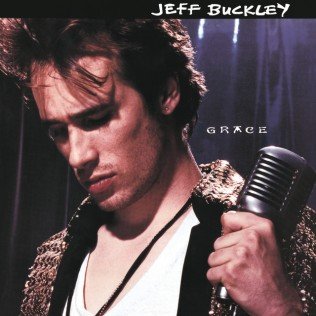
Jeff Buckley’s Grace is more than an album—it’s an emotional odyssey, blending rock, folk, and jazz with poetic lyricism and unparalleled vocal mastery.
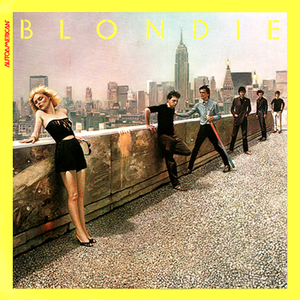
With Autoamerican, Blondie shattered expectations, fusing reggae, hip-hop, jazz, and orchestral pop into a cinematic soundscape. Was it genius or chaos?
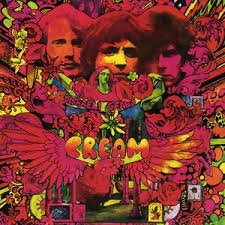
Disraeli Gears wasn’t just an album—it was a revolution. From its electrifying riffs to its surreal lyricism, Cream’s 1967 masterpiece redefined rock forever.