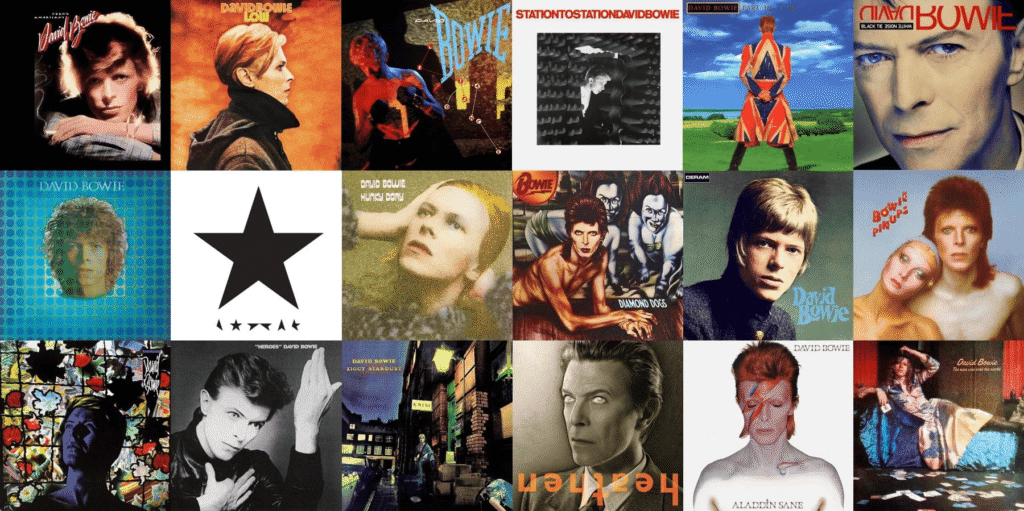
David Bowie Albums Ranked from Worst to Best
Which David Bowie album truly defines his genius?
Which David Bowie album truly defines his genius?
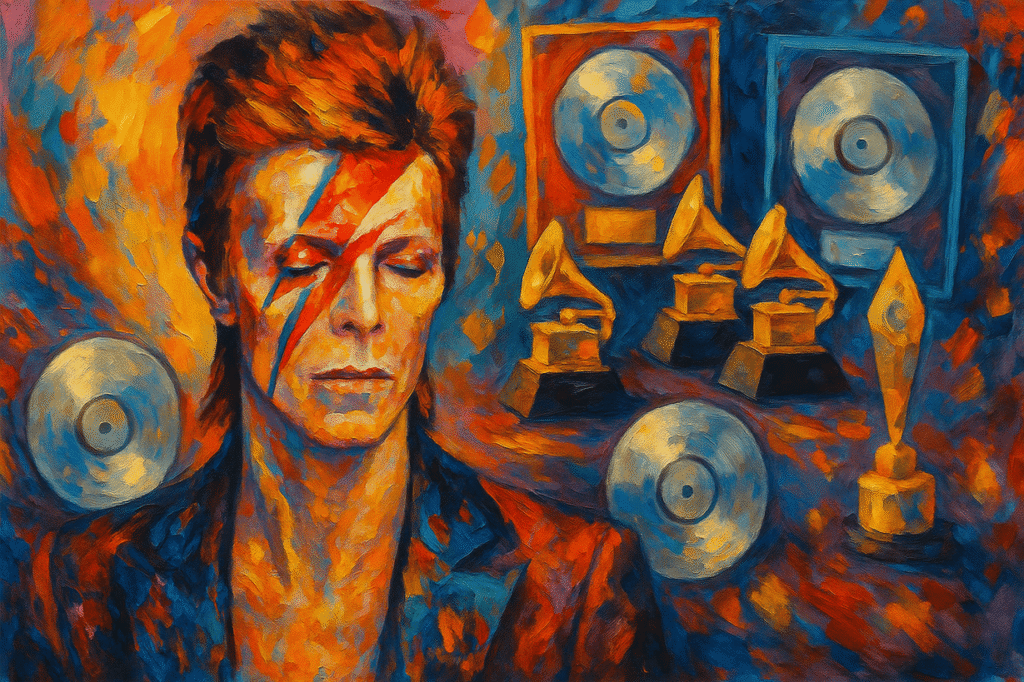
David Bowie didn’t follow trends—he created them. From chart-topping hits to groundbreaking innovations, his career was marked by constant evolution and bold moves.
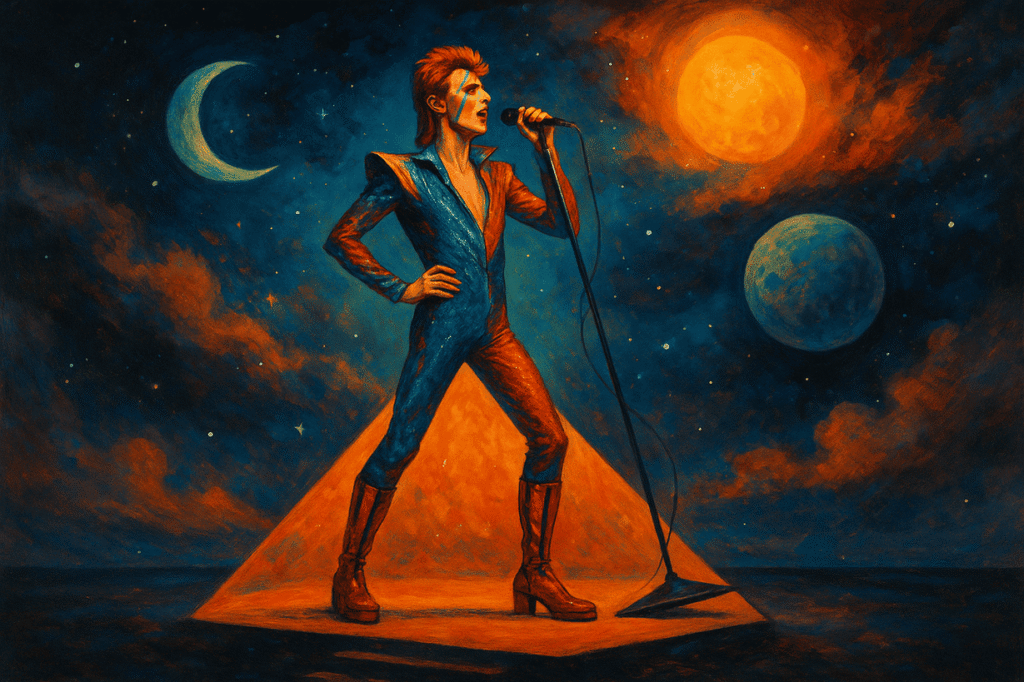
David Bowie was never content with being one thing for too long. This is the story of how a South London dreamer became pop’s greatest shape-shifter.
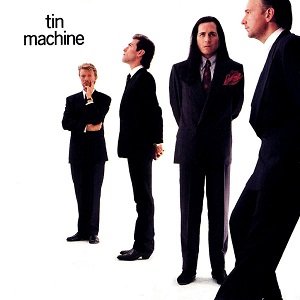
In the late ’80s, David Bowie hit reset. Disillusioned with pop stardom, he formed Tin Machine—a raw, democratic band that reignited his creative fire.

Uncover the brilliance of David Bowie’s Blackstar in our in-depth album review. From its groundbreaking production to its poignant lyrics, see why it earns a perfect 10/10 rating. Join us as we explore the artistry of Bowie’s final opus, a farewell that redefines musical boundaries and touches the soul.
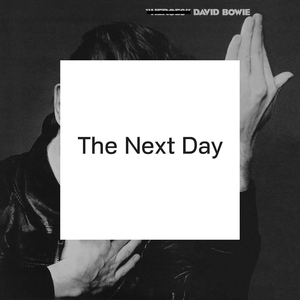
David Bowie’s The Next Day is more than a comeback—it’s a daring reflection on mortality, fame, and legacy.

David Bowie’s Reality finds the icon trading spectacle for sincerity.
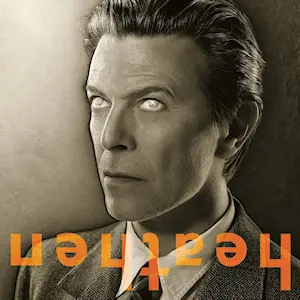
With Heathen, David Bowie delivered a haunting meditation on time, faith, and loss. This album isn’t about reinvention—it’s about reckoning.

With Hours…, David Bowie trades glam and grit for quiet introspection—but does this reflective turn reveal depth, or simply mark a lull in his legacy?
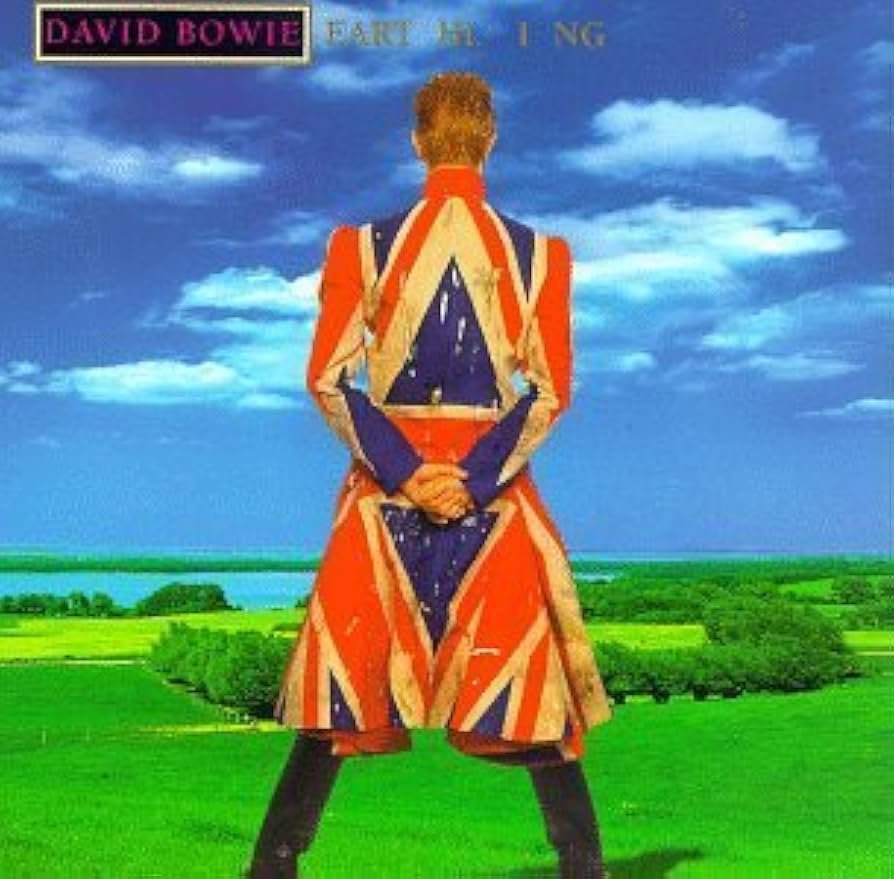
David Bowie’s Earthling isn’t just an album—it’s a high-speed collision of rock and rave, where breakbeats meet blistering guitars. Was this 1997 experiment ahead of its time, or a chaotic detour?
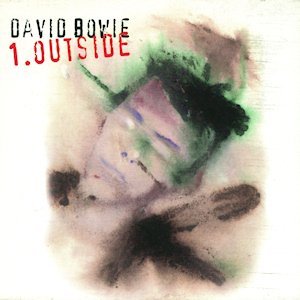
In Outside, David Bowie trades pop hooks for chaos, constructing a dystopian soundscape where art and crime collide. This is Bowie at his most daring—and divisive.
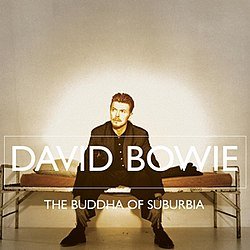
Often dismissed as a footnote in Bowie’s discography, The Buddha of Suburbia is far more than a soundtrack spin-off.